Implant-Supported Bridges in Henderson, NV: A Middle Ground Between Implants and Dentures
Missing teeth can make everyday life harder. Eating feels limited. Speaking can feel different. Smiling may feel awkward. This guide was written with input from the clinical team at Joshua M. Ignatowicz, DMD & Associates in Henderson, NV, where we evaluate and treat missing teeth every day. That hands-on experience helps us explain implant-supported bridges in a clear, practical way, without hype.
The Quick Answer: What Is an Implant-Supported Bridge?
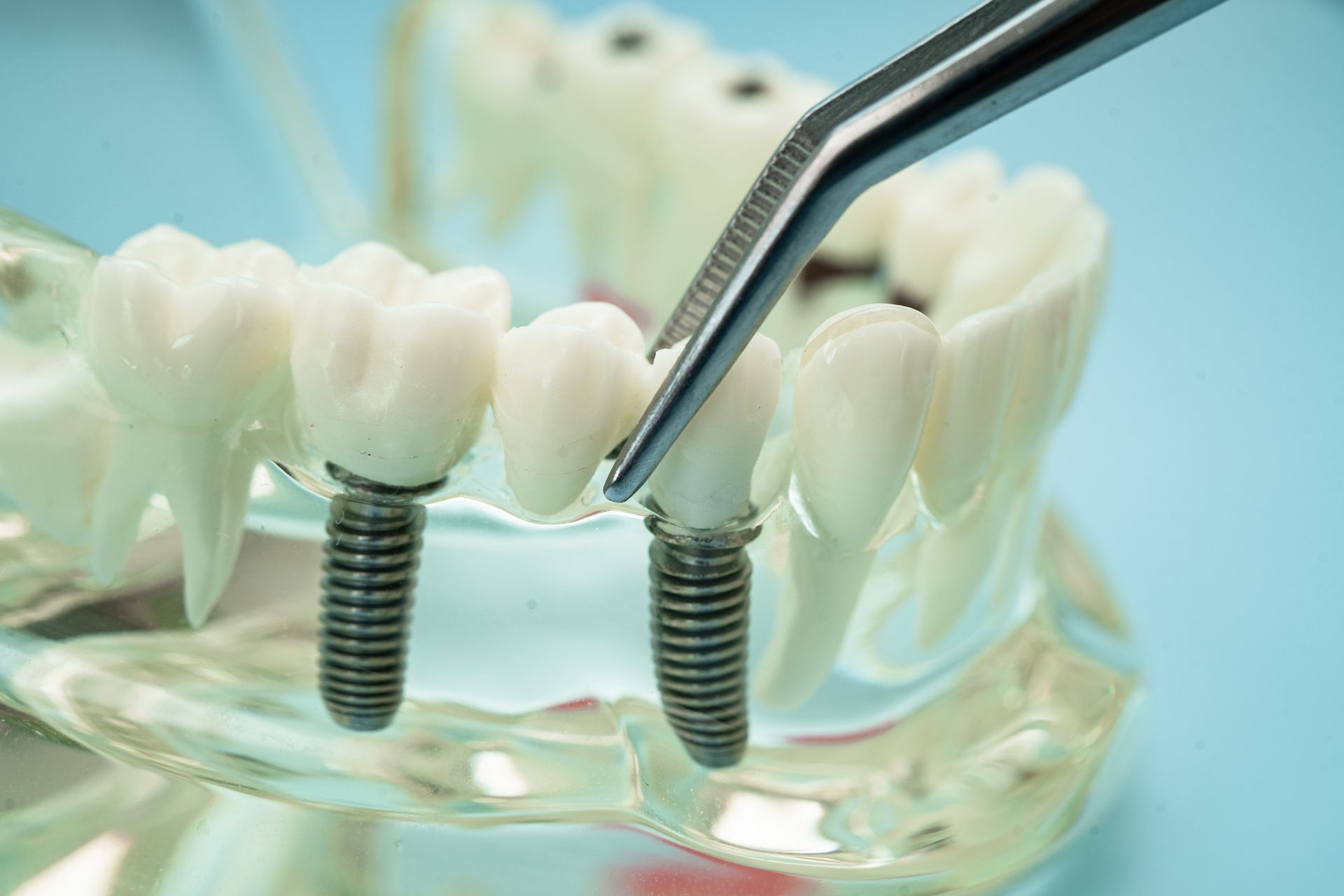
An implant-supported bridge is a set of replacement teeth that is held in place by dental implants (small titanium posts placed in the jaw). It's usually used when you are missing multiple teeth in a row.
- Not like dentures: It does not rely on your gums for support, so it's usually more stable.
- Not like replacing every tooth with an implant: You may not need one implant for each missing tooth.
- Not like a traditional bridge: It does not depend on natural teeth being shaved down to hold the bridge.
That's why many people see it as a "middle ground" between implants and dentures.

Why Replacing Missing Teeth Matters (Even If You're Managing "Fine")
When there's a gap, your mouth starts to adapt in ways you may not want.
- Teeth can shift into the open space.
- Your bite alignment can change.
- Chewing can get uneven, which may strain your jaw.
- Over time, the jaw in that area can lose support (often called jawbone shrinkage or jawbone deterioration). Dental implants can help because they support the bone like a tooth root.
Replacing missing teeth is not only about looks. It's also about keeping your mouth working well.
Implant-Supported Bridge Basics (In Simple Terms)
Here are the main parts:
Dental implants Implants act like "roots." They go into the jawbone and become a strong base for your new teeth.
The bridge The bridge is the set of replacement teeth. The fake teeth in the middle are sometimes called pontics.
Connectors / attachment parts These are the parts that connect the bridge to the implants. Your dentist chooses what works best for your case.
Implant-Supported Bridge vs. Traditional Bridge vs. Dentures
Many people compare these three options:
Traditional dental bridge (tooth-supported) A traditional dental bridge is held up by the natural teeth next to the gap. Those nearby teeth often need to be shaped down so crowns can fit over them. This can be a good option in some cases, especially when the supporting teeth already need crowns.
Key point: A traditional bridge uses natural teeth as anchors.
Implant-supported bridge (implant-supported, fixed) An implant-supported bridge uses implants as the anchors. This can reduce stress on nearby teeth and can feel more like "real teeth" because it is stable.
Key point: Often a great choice for multiple missing teeth in a row.
Traditional removable dentures Dentures rest on the gums. Even well-made dentures can move, especially on the lower jaw. Some people use denture adhesive, but it can be messy and still not feel secure.
Key point: Dentures are removable and can slip.
Where Implant-Supported Dentures Fit (Snap-On vs. Fixed)
Some patients are deciding between an implant-supported bridge and implant-supported dentures in Henderson.
- Snap-on dentures (overdentures): These are removable. They "snap" onto implants for better hold. Many people like that they can remove them to clean.
- Fixed implant options: These are not removed at home. A fixed option can be an implant-supported bridge or a full-arch fixed solution.
If you are missing most or all teeth in an arch, you may hear terms like All-on-4 or All-on-6. These are full-arch approaches that use a set number of implants to support a full set of teeth. You can also explore our full-mouth dental implant comparison guide to see how these options stack up.
Simple way to think about it:
- Missing a few teeth in a row → implant-supported bridge may fit well
- Missing most or all teeth → snap-on overdenture or a full-arch fixed option may fit better
Why People Choose Implant-Supported Bridges
Here are the most common benefits patients care about.
More stable than dentures Implant-supported bridges can feel more secure. Many patients like that the teeth won't slip during meals or conversations.
Better chewing power Stability often means you can chew more confidently. That can make it easier to eat a wider range of foods.
Helps with speech for some people If your current tooth replacement moves, speech can feel tricky. A stable option can help.
May protect nearby teeth A traditional bridge often needs healthy teeth shaped down. With implant support, you may avoid putting that load on nearby natural teeth.
Can support the jaw over time Implants can help reduce bone loss in the area by acting like tooth roots.
Who May Be a Good Candidate in Henderson, NV?
Only a dentist can confirm candidacy, but these are common fit points.
You may be a good fit if…
- You're missing two or more teeth in a row
- You want something fixed (not removable at home)
- You want more stability than a partial denture
- You have enough jawbone density, or you're open to steps that build support
You may need extra planning if…
- You have low bone volume (you may need
bone grafting)
- You have gum disease that needs treatment first
- You grind your teeth heavily (your bite plan matters)
Another option may fit better if…
- You are missing a single tooth (a
single implant + crown may be best)
- You are missing most teeth in an arch (All-on-4 or All-on-6 may be more efficient)
- You prefer removing teeth at home for cleaning (overdenture may feel easier)
What the Process Usually Looks Like
Every case is different, but most people go through these steps.
Consultation and imaging Your dentist checks your gums, bite, and bone. Many offices use digital imaging and 3D imaging to plan the best implant positions. You may also have digital scans instead of old-style impressions.
Implant planning Implants are planned for function and long-term support, not just "where there's space." This planning helps the bridge fit well and makes cleaning easier.
Implant placement The implants are placed into the jaw. Healing time varies. The goal is for the implants to integrate with the bone.
Temporary teeth (sometimes) Depending on your case, you may have temporary teeth while healing.
Bridge creation and final fit Once healing is complete, the final bridge is made. Materials can include tooth-colored ceramic or porcelain options chosen for strength and appearance.
Adjustments and follow-up Your dentist checks your bite and comfort. Follow-ups help protect your implants and your bridge long term.
How to Care for an Implant-Supported Bridge
These bridges are strong, but they still need daily care.
Clean under the bridge every day Food and plaque can collect where the bridge meets the gums. Your dentist may recommend:
- Floss threaders
- Special implant floss or interdental brushes
- A water flosser to rinse under the bridge
Brush like you mean it Brush at least twice a day. Pay attention to the gumline.
Keep regular dental visits Professional cleanings and checkups matter. Your team will watch for early signs of gum inflammation around implants.
Cost Factors to Know (Without Guessing Your Exact Price)
Implant-supported bridges can vary a lot in cost. Common factors include:
- Number of implants needed
- Bridge materials
- Complexity of your bite
- Need for bone grafting or other prep work
- Whether you are replacing part of an arch or most of it
For a deeper breakdown, see our dental implant cost guide for Henderson, NV. Insurance coverage varies widely. Some plans help more with the bridge portion than the implant portion. Many offices also offer financing options.
Putting It Together: Why This Is a "Middle Ground"
If you want a tooth replacement that is:
- more stable than dentures, and
- often less complex than placing an implant for every missing tooth, and
- able to replace multiple missing teeth in a row
…an implant-supported bridge in Henderson, NV may be worth discussing with your dentist.
Schedule your next exam with imaging, so you can compare options side-by-side: traditional bridge, implant-supported bridge, snap-on dentures (overdentures), or full-arch solutions.
Frequently Asked Questions
How many implants does an implant-supported bridge actually need?
It depends on how many teeth are being replaced and where they are in your mouth. In many cases, two implants can support a bridge of three or four teeth, which is part of what makes this option more efficient than placing one implant per missing tooth. Your dentist will determine the right number based on your bone density, bite forces, and the span of the gap.
How long does the whole process take from start to finish?
Most patients can expect the process to take several months, primarily because the implants need time to fuse with the jawbone before the final bridge is attached. This healing phase (called osseointegration) typically takes three to six months. If bone grafting is needed beforehand, add more time for that to heal as well. The upfront wait is the trade-off for a result that's built to last.
Can an implant-supported bridge fail, and what causes it?
Implant failure is uncommon, but it does happen. The most frequent causes are infection around the implant (called peri-implantitis), insufficient bone integration, uncontrolled health conditions like diabetes, and smoking, which significantly impairs healing. Keeping up with daily cleaning under the bridge and attending regular checkups are the two most reliable ways to protect your investment long term.
Is the procedure painful?
Most patients are surprised by how manageable it is. The implant placement is done under local anesthesia, and some offices offer sedation for added comfort. Post-procedure soreness is normal for a few days and is typically managed with over-the-counter pain relief. The healing phase between placement and receiving the final bridge is generally not painful, it just takes time.
Will an implant-supported bridge look and feel natural?
For most people, yes, and that's one of the main reasons patients choose this option. The bridge is custom-made to match the shape, size, and color of your surrounding teeth. Because it's fixed in place and anchored to the jaw rather than resting on the gums, it tends to feel and function much more like natural teeth than removable alternatives. Eating, speaking, and smiling typically feel normal once you've adjusted.
Recent Blog Post