3 on 6™ Dental Implants in Henderson: How They Compare to All-on-4 and Traditional Dentures
If you're researching 3 on 6™ dental implants in Henderson, you're probably trying to make a smart, long-term decision, not just pick the cheapest option. Our team at Joshua M. Ignatowicz, DMD & Associates works with implant cases often, using advanced diagnostics like 3D imaging to plan treatment in a precise way. We focus on clear education, transparent options, and long-term function, because full-mouth tooth replacement is a big decision. This guide gives straight answers first, then explains the details so you can compare 3 on 6™, All-on-4, and traditional dentures with confidence.
Full-mouth tooth replacement has come a long way. Many people still think the choices are "dentures or nothing," but implant-supported solutions now offer fixed teeth that feel closer to natural teeth. Two common full-arch implant options are All-on-4 and 3 on 6™. Both can restore a full smile, but they are built differently and can look and function differently. Traditional dentures are still used too, but they come with tradeoffs.
What Are 3 on 6™ Dental Implants?
How the Procedure Works
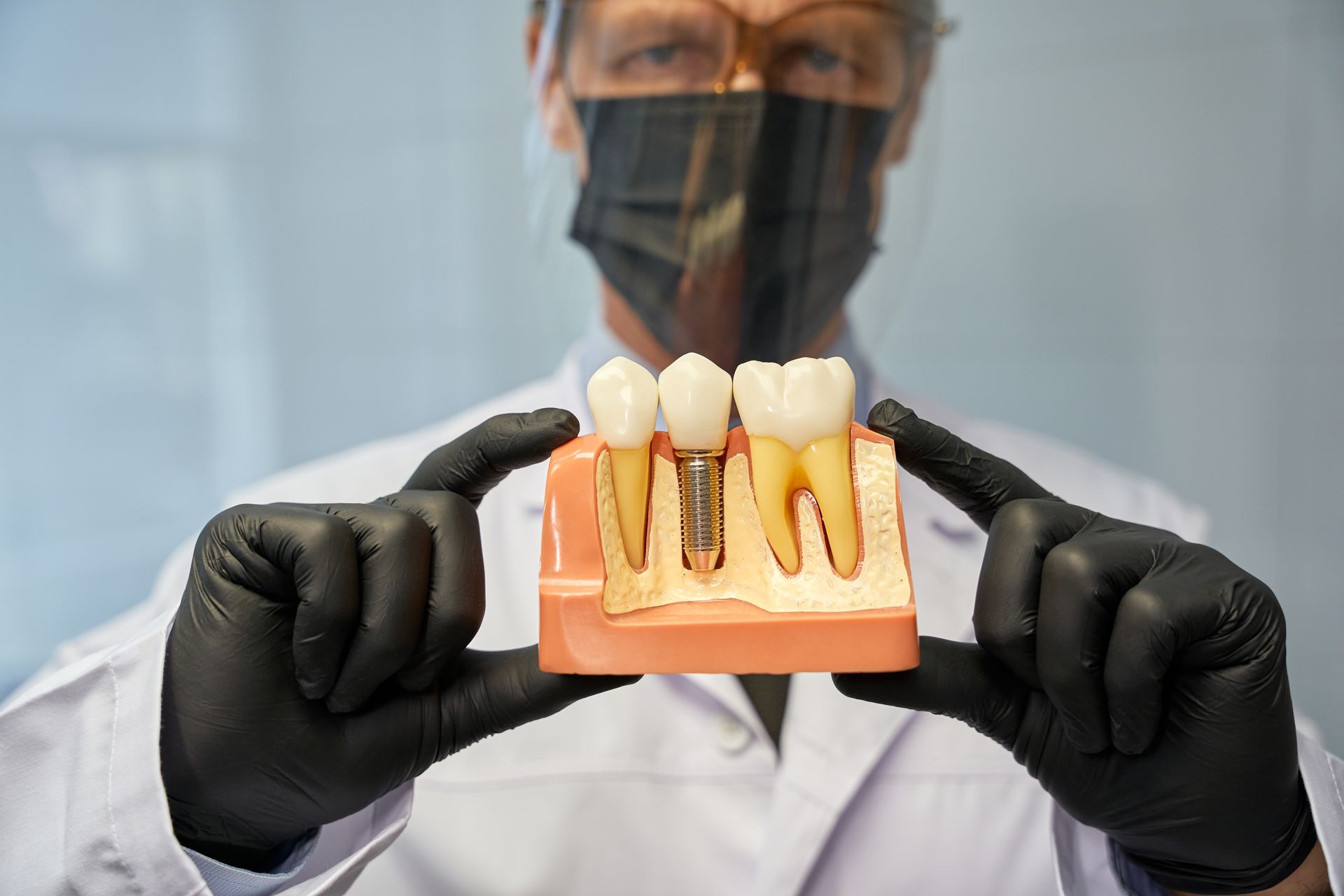
3 on 6™ is a full-arch implant approach that uses six dental implants to support three connected bridges across one arch (upper or lower). Think of it as a strong foundation (six implants) holding a fixed set of teeth, split into sections. The bridges are designed to fit your bite and smile, and they are fixed in place, meaning you don't take them out at night like dentures.
While every case is different, the general process includes:
- A full exam and 3D imaging to evaluate bone and anatomy
- A treatment plan that maps where implants will go
- Implant placement surgery
- A healing period (in many cases) while implants bond with the bone
- Final bridges that restore chewing, speaking, and smile appearance
Because implants connect to the jawbone, they help support function and can reduce the "loose" feeling many denture wearers struggle with.

Key Benefits of 3 on 6™ Implants
Here are the straightforward benefits people care about most:
- Strong support and stability
Six implants spread out the load. That can mean a stable bite and solid chewing. - Natural-looking result
Many 3 on 6™ cases use materials designed to mimic natural teeth. The goal is a clean, realistic smile without the bulky feel some people notice with removable options. - Better support for the jawbone
When teeth are missing, the jawbone can shrink over time. Implants put pressure back into the bone, which can support healthier bone levels long term. - Fixed teeth (not removable)
Implant-supported bridges stay in place. You clean them differently than dentures, but you don't remove them daily.
Who Is a Good Candidate?
A good candidate often includes someone who:
- Is missing
multiple teeth
(or expects to lose remaining teeth)
- Wants a fixed solution instead of removable dentures
- Has enough jawbone for implant placement (or is open to grafting if needed)
- Is healthy enough for a surgical procedure
- Wants a long-term solution for function and confidence
If you've been told you have bone loss, it does not automatically rule you out. It just means planning matters more, and your dentist may discuss options to rebuild bone or choose an approach that fits your anatomy.
All-on-4 Dental Implants: A Quick Overview
Implant Placement and Design
All-on-4 uses four implants to support a full arch of teeth. The back implants are often angled to get more contact with available bone. This approach can be helpful when someone has lower bone volume in the back of the jaw.
All-on-4 restorations commonly include a full arch prosthetic that may use different materials depending on the case. Some designs include a pink gum portion to replace missing gum tissue, especially when there has been significant bone and gum loss.
Pros and Cons of All-on-4
Pros
- Uses fewer implants
- Often works well in cases with limited bone
- Can be a strong fixed option for full-arch tooth replacement
Cons
- With fewer implants, each implant may carry more load
- Some restorations use materials that can wear or stain more over time
- If the prosthetic is one full arch piece, repairs can sometimes be more involved because the entire unit may need attention
All-on-4 can be a great option for the right patient. The key is matching the design to your goals, anatomy, and long-term expectations.
Traditional Dentures: Still an Option?
How They Function
Traditional dentures are removable appliances that sit on top of the gums. Upper dentures often rely on suction, while lower dentures usually have less suction and may move more. Some people use denture adhesive to help with stability.
Dentures can replace the look of teeth, but they do not replace tooth roots. That matters because tooth roots help stimulate the jawbone.
Advantages and Limitations
Advantages
- Lower upfront cost compared to implants
- No surgical implant placement required
- Can be made relatively quickly
Limitations
- Can slip, shift, or click when talking or eating
- Often reduce bite strength (harder foods become difficult)
- May cause sore spots or irritation
- Over time, the jawbone can shrink, changing the fit and appearance
- May need relines and replacements as your mouth changes
Dentures can still be the right choice for some people, especially when surgery is not possible. But many patients choose implants because they want stability and stronger chewing.
3 on 6™ vs All-on-4: Side-by-Side Comparison
Bone Preservation and Long-Term Health
Both options are implant-based, so both can help support the jawbone compared to dentures. The main difference is the number of implants and how forces are distributed.
With 3 on 6™, the load can be spread across six implants, which may support balanced function. With All-on-4, fewer implants support the full arch, and planning becomes especially important to avoid overload and help protect long-term stability.
Your bone quality, bite forces, and habits (like grinding) can influence which option is better.
Maintenance and Durability
Both options require daily home care and regular professional cleanings. The differences often come down to the restoration design.
- 3 on 6™ uses segmented bridges, which can make targeted repairs or adjustments simpler in some cases.
- All-on-4 is often a single arch prosthetic, which can be very strong, but repairs may involve the full unit depending on the issue.
Durability also depends on the materials chosen and how well the bite is designed.
Comfort and Function
Most people choose implants because they want to eat with more confidence.
In general:
- Fixed implant bridges feel more like natural teeth than removable dentures.
- Some patients prefer the feel of restorations that avoid bulky gum material.
- The best comfort comes from a proper fit, healthy gums, and a stable bite, regardless of brand name.
Aesthetics and Natural Look
Aesthetics depend on your starting point. If there's been major bone and gum loss, a restoration may need to replace some of that volume to look natural.
In many 3 on 6™ cases, the goal is a lifelike smile with a clean transition at the gumline. All-on-4 can also look great, especially when the design matches facial support needs. The "best-looking" option is the one planned for your face shape, smile line, and tissue levels.
3 on 6™ vs Traditional Dentures: What Sets Them Apart
Stability and Bite Strength
This is usually the biggest difference.
- Dentures sit on gums and can move.
- 3 on 6™ is fixed to implants, so it's far more stable.
That stability often means better chewing power and less worry about slipping in public.
Longevity and Maintenance
Dentures typically need adjustments as your jawbone changes. Many people need relines, repairs, and eventual replacements.
Implant-supported restorations can last a long time, but they still require maintenance. You'll need consistent cleanings and professional checkups to protect the implants and surrounding tissue.
Daily Lifestyle Impact
Dentures can limit food choices and confidence. Many denture wearers avoid crunchy foods, sticky foods, or eating in front of others.
With 3 on 6™, many patients feel more comfortable eating a wider range of foods and speaking without worrying about movement. It's not "zero maintenance," but it is often a major upgrade in day-to-day life.
Why Choose 3 on 6™ in Henderson?
Benefits of Local Care
Full-mouth dental implants are not a one-visit event. You want a local team that can provide planning, follow-ups, maintenance, and support if anything changes. Choosing care close to home also makes it easier to stay consistent with professional cleanings and checkups.
If you're looking for full mouth dental implants in Henderson NV, you'll want a provider who can explain options clearly and guide you through the process step by step.
Financing and Accessibility Options
Many people assume implants are automatically out of reach. In reality, financing can make treatment more manageable for monthly budgeting. Some practices offer third-party financing and flexible payment options so patients can move forward without paying everything at once.
Technology and Patient Comfort at Our Practice
Implant dentistry is all about planning and precision. Modern tools like 3D imaging and guided planning can improve accuracy and help your dentist choose implant positions that support function and long-term stability. Comfort matters too, especially for patients who have anxiety from past dental experiences. A calm environment and clear communication can make a big difference during a full-arch treatment process.
Conclusion
3 on 6™ dental implants are a strong option for people who want fixed teeth that look natural, feel stable, and support long-term function. All-on-4 can also be an excellent solution, especially when bone is limited, while traditional dentures remain a lower-cost option but often come with more daily frustrations.
The best choice depends on your bone, bite, health, goals, and budget. If you're comparing options in Henderson, focus on what matters most: stability, comfort, long-term maintenance, and a plan designed specifically for you.
Frequently Asked Questions About 3 on 6™ Dental Implants in Henderson
How long does the 3 on 6™ implant process take from start to finish?
The timeline varies based on your individual case, but most patients can expect the process to take 3-6 months. This includes the initial consultation and imaging, implant placement surgery, a healing period where the implants integrate with your jawbone (typically 3-4 months), and finally the placement of your permanent bridges. Some patients may need bone grafting beforehand, which can add a few months to the timeline. Your dentist will provide a personalized treatment plan with specific timeframes during your consultation.
Can I eat normally with 3 on 6™ dental implants?
Yes, one of the major benefits of 3 on 6™ implants is the ability to eat most foods with confidence. Because the bridges are fixed to implants anchored in your jawbone, you'll have significantly more chewing power than with traditional dentures. Most patients can enjoy crunchy vegetables, meat, corn on the cob, and other foods that denture wearers typically avoid. However, you'll need to follow a soft-food diet during the initial healing period after surgery, and it's always wise to avoid extremely hard foods like ice or hard candy that could damage any dental restoration.
What happens if one implant fails in a 3 on 6™ system?
While dental implants have a high success rate (over 95%), if one implant encounters an issue, the design of the 3 on 6™ system provides some advantages. Because the bridges are segmented into three sections rather than one full arch, a problem with a single implant typically only affects one section of your restoration. This can make repairs more straightforward and less expensive than systems where all teeth are connected as one unit. Your dentist can evaluate the situation and determine whether the implant can be treated, replaced, or if the restoration needs adjustment.
How do I clean and maintain 3 on 6™ dental implants?
While you can't remove 3 on 6™ bridges like dentures, maintaining them is straightforward with the right tools. You'll brush them like natural teeth, but you'll also need to use special floss threaders, interdental brushes, or water flossers to clean underneath and around the bridges where food and bacteria can accumulate. Professional cleanings every 3-6 months are essential to monitor the implants and surrounding gum tissue. Your dental team will provide specific instructions and recommend the best tools for your case during your follow-up appointments.
Is the 3 on 6™ procedure painful?
Most patients report that the procedure is much more comfortable than they anticipated. The surgery is performed under local anesthesia, and sedation options are available for patients with dental anxiety. During the procedure itself, you shouldn't feel pain. Afterward, some discomfort, swelling, and mild pain are normal and can be managed with prescribed or over-the-counter pain medication. Most patients describe the recovery as similar to having multiple tooth extractions. Any discomfort typically subsides within a few days to a week, and most people return to normal activities within a few days after surgery.
Recent Blog Post