Dental Implant Cost in Henderson, NV: From Single Tooth to Full Mouth (and How to Afford It)
If you're searching for a dental implant cost Henderson NV, you want clear numbers and no fluff. While exact pricing can only be confirmed after an exam, the truth is simple: implant cost depends on how many teeth you're replacing, what type of final teeth you want, and whether you need extra procedures like extractions or bone grafting. At Joshua M. Ignatowicz, DMD & Associates, our team plans implant cases using modern imaging and step-by-step treatment planning. That experience matters because implants aren't "one-size-fits-all." The best way to avoid surprises is to understand what drives cost, what's typically included, and what "hidden fees" to ask about.
Here's the straight answer upfront: a single-tooth implant is usually the lowest-cost implant option, bridges cost more because they replace multiple teeth, and full-mouth implants are the biggest investment because they involve more implants, more planning, and a full arch of teeth. Now let's break down the details.
What Influences Dental Implant Costs?
Number of Implants Required
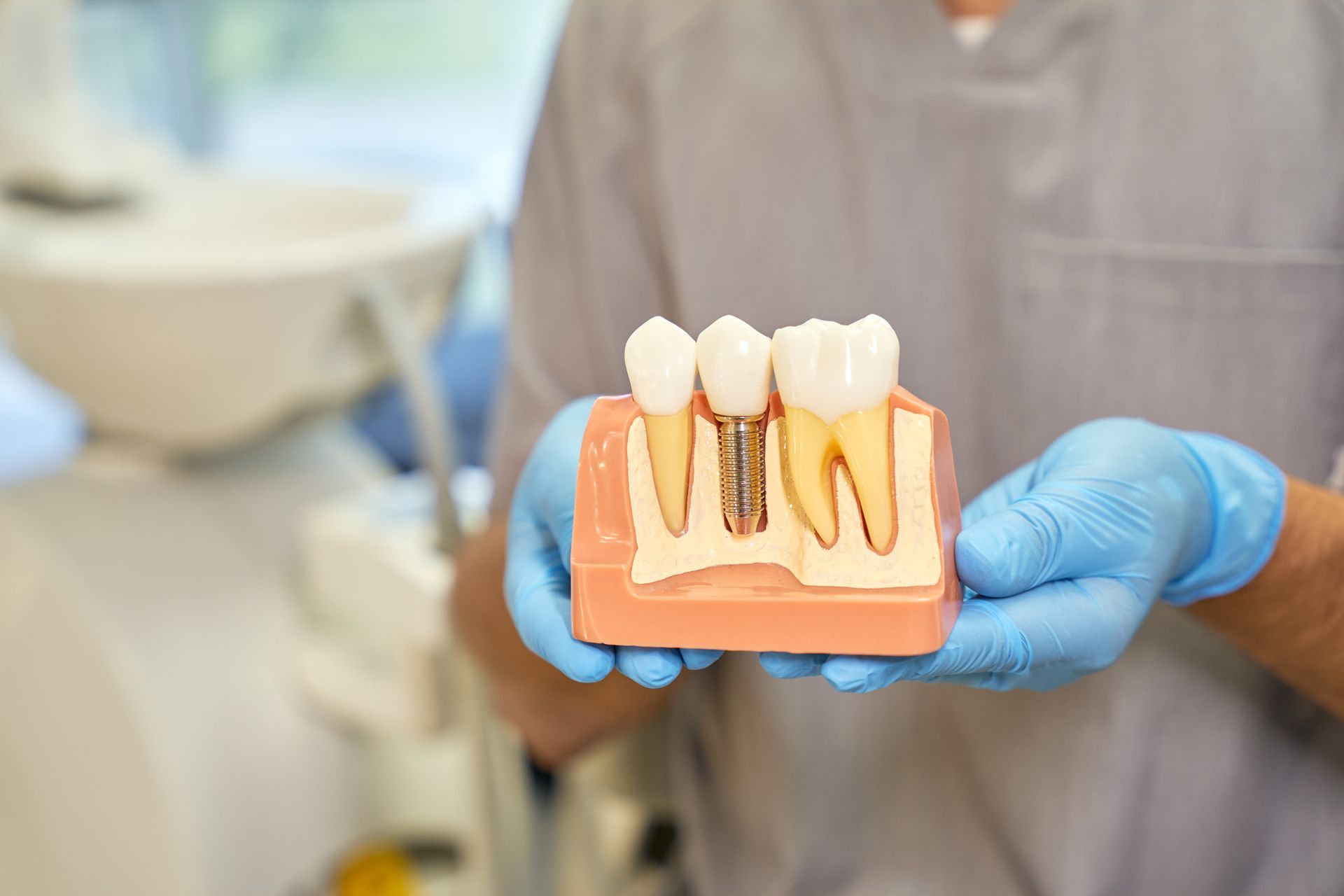
The biggest cost driver is the number of implants you need. An implant is the small titanium post placed in the jawbone. More implants usually means more time, materials, and surgical work.
- Replacing one tooth often needs one implant.
- Replacing several teeth may need two or more implants.
- Replacing a full arch (top or bottom) may need four, six, or more implants, depending on the system and your bone.
This is why full mouth implants pricing can vary so much from one person to the next.
Type of Restoration (Crown, Bridge, Full Arch)
Dental implants are not just the implant post. The final "tooth part" matters a lot for cost.
- Crown: Replaces one tooth (a single tooth implant cost is usually based on one crown).
- Bridge: Replaces multiple teeth (often supported by implants on each side).
- Full arch: Replaces all teeth on the upper or lower jaw with a fixed set of teeth.
The restoration material also matters. Some materials look more natural or resist wear better, and that can impact the dental restoration cost.
Additional Procedures (Bone Grafting, Extractions, CT Scans)
Many people need extra steps before implants can be placed safely. These can change the total price.
Common add-ons include:
- Tooth extractions (if damaged teeth need to come out)
- Bone graft pricing (if the jawbone needs support)
- Sinus lift (sometimes needed for upper back teeth)
- 3D imaging / CT scans for precise planning
- Sedation (if you want help staying relaxed during treatment)
These extras aren't "bad." They often make implants safer and more predictable. But they can be part of the "why" behind different quotes.
Materials and Technology Used
Implant costs can also reflect:
- The implant brand and parts used (implant, connector, abutment)
- The type of final teeth (strength, esthetics, stain resistance)
- The technology used to plan placement (3D scans, guided surgery tools)
- The lab work needed to make custom teeth
Better planning tools can mean better fit and fewer problems later. That's part of the long-term value of dental implants.
Cost Breakdown by Procedure
Single Tooth Dental Implant
A single-tooth implant usually includes several pieces:
- Implant post (in the bone)
- Abutment (connector piece)
- Crown (the visible tooth)
- Imaging and planning
- Follow-up visits
When people compare pricing online, they often see "implant cost" listed as one number. But real treatment usually includes multiple steps. If you're shopping around, ask what's included so you don't get hit with hidden implant fees later.
Also, a single-tooth implant can still need extra procedures. For example, if a tooth has been missing for a long time, bone loss may mean grafting is needed before the implant can be placed.
Implant-Supported Bridge
An implant-supported bridge replaces multiple teeth in a row. Instead of placing one implant for every missing tooth, a bridge can replace several teeth using fewer implants.
Why this matters for cost:
- Bridges can be more cost-efficient than "one implant per tooth"
- The final restoration is larger and may require more lab work
- Cleaning is different than cleaning single crowns (your dentist will show you how)
This option is common when someone wants stable teeth but doesn't need a full arch replacement. It also helps reduce the long-term teeth replacement cost compared to repeated repairs of weak teeth.
Full Mouth Dental Implants (All-on-4, 3 on 6, etc.)
Full-mouth implant treatment is typically the biggest investment because it replaces an entire arch (or both arches). The total cost can vary based on:
- How many implants are used per arch
- The type of final teeth (materials and design)
- Whether temporary teeth are needed during healing
- Any extra procedures like extractions or grafting
You may hear terms like All-on-4 or 3 on 6. These names usually refer to how many implants support the final teeth. More implants can sometimes mean more support and different design options. The "best" choice depends on your bone, bite, and goals, not just the name.
If you're comparing full-mouth quotes, ask if the price includes:
- Surgery + implant parts
- Temporary teeth (if needed)
- Final teeth (materials and warranty/repair terms)
- All imaging and follow-ups
That one question can prevent a lot of surprises.
Comparing Dental Implant Costs to Other Tooth Replacement Options
Dentures vs Implants
Traditional dentures can look good, but they sit on the gums and can move. Many people choose implants because they want more stability and stronger chewing.
Cost-wise, dentures often have a lower upfront price. But there are long-term factors that can add up:
- Relines as gums and bone change
- Replacements over time
- Adhesives and ongoing adjustments
- Frustration costs (avoiding foods, discomfort, social stress)
Implants cost more upfront, but many patients see them as a long-term solution. That's why people often compare dentures to the cost of implant-supported dentures or fixed full-arch implants.
Bridges vs Implants
A traditional bridge can replace a missing tooth by anchoring onto the teeth next to it. That may cost less upfront than an implant, but it can come with tradeoffs:
- Healthy neighbor teeth may need to be shaved down
- Bridges can fail if the supporting teeth get decay or gum disease
- Cleaning under a bridge can be harder
An implant replaces the tooth without relying on the teeth next to it. Many patients choose implants for that reason, even when the upfront average dental implant cost feels higher.
Long-Term Cost Effectiveness
The most helpful way to compare options is to ask: "What will this cost me over the next 10–20 years?"
Implants can lower repeat costs if they reduce:
- Frequent repairs
- Remakes of dentures or bridges
- Ongoing discomfort and chewing limits
Of course, implants still require maintenance. You'll need cleanings, exams, and good home care. But when treatment is planned well, implants can be a long-term win for function and quality of life.
How to Afford Dental Implants in Henderson
Dental Insurance Coverage
Insurance coverage for implants varies a lot. Some plans cover part of the implant crown, some cover extractions, and some cover very little.
A helpful approach is to ask your office to break it down into categories like:
- Exam and imaging
- Extraction costs (if needed)
- Implant placement
- Crown/bridge/final teeth
- Bone grafting (if needed)
That way you can see where insurance helps, and where it doesn't.
Third-Party Financing Options (e.g., Cherry, Sunbit, CareCredit)
Many patients use financing to spread the cost into monthly payments. This can make affordable dental implants Henderson NV more realistic because you're not paying everything at once.
Third-party options often allow:
- Monthly payments for a set term
- Different approval levels
- Promotional plans (depending on the provider)
Financing can be a smart tool, but it's still a loan, so it's important to understand the terms and total payback amount.
In-House Payment Plans
Some practices offer in-house plans or phased treatment options. In-house options vary, but they can help patients who prefer:
- Clear timelines
- Predictable payments
- A plan that matches their treatment steps
In some cases, treatment can be staged (for example, one arch first, then the other). That may not fit everyone, but it can help with budgeting.
Tax Savings and HSA/FSA Accounts
If you have an HSA or FSA, you may be able to use those funds for parts of implant treatment.
Some patients also use:
- Medical credit accounts (depending on eligibility)
- Flexible budgeting plans
- Combining insurance + HSA/FSA + financing
This is a simple way to reduce out-of-pocket pressure while still moving forward with care.
Why Dental Implants Are Worth the Investment
Improved Quality of Life
People often think about cost, but the real day-to-day benefits are what make implants worth it for many patients:
- Easier chewing
- More confidence when speaking and smiling
- Less worry about slipping or clicking (common with dentures)
When you can eat comfortably and smile without stress, that's a real upgrade.
Oral Health Benefits
Implants help replace the tooth root, which supports jawbone health. They also allow you to replace missing teeth without relying on neighboring teeth the way a bridge might.
Good planning can also improve bite balance and reduce strain on remaining teeth. That matters for long-term oral health.
Durability and Long-Term Value
Implants are designed to last a long time with proper care. The final teeth may need maintenance over the years (just like natural teeth can), but many patients choose implants because they want a stable, long-term option.
This is where the "sticker price" becomes a long-term investment, the overall value of dental implants often comes from fewer replacements and better daily comfort.
Schedule a Consultation to Get an Accurate Estimate
What to Expect During Your First Visit
Online research is a great start, but the most accurate estimate comes after an exam. A typical implant consult may include:
- A health review and dental exam
- 3D imaging to check bone and anatomy
- Discussion of goals (single tooth vs bridge vs full arch)
- A clear plan of what's needed and what it costs
This is also the best time to ask about possible add-ons like grafting or extractions, so nothing feels hidden later.
Personalized Treatment and Transparent Pricing
No two mouths are the same. That's why "implant packages" can differ and why pricing can change based on materials, design, and extra steps.
A good plan should be easy to understand and should clearly explain:
- What's included
- What's optional
- What might change if new findings appear
That's how you get the most accurate answer to dental implant cost Henderson NV, and how you avoid surprise fees.
Conclusion
Dental implant costs in Henderson, NV depend on the type of treatment: single tooth implants are usually the simplest, bridges replace multiple teeth with fewer implants than "one per tooth," and full-mouth implants are the biggest investment because they replace an entire smile. The best way to make implants more affordable is to understand what's included, ask about extra procedures, and explore insurance, financing, and HSA/FSA options.
If you're considering implants, focus on long-term value, not just upfront cost. A well-planned implant can restore comfort, confidence, and strong chewing for years to come.
Frequently Asked Questions About Dental Implant Costs in Henderson, NV
What is the average cost of a single dental implant in Henderson?
While exact pricing varies based on individual needs, a single dental implant in Henderson typically ranges from several thousand dollars for the complete restoration, which includes the implant post, abutment, and crown. This estimate assumes no additional procedures are needed. However, if you require tooth extraction, bone grafting, or 3D imaging, these will add to the total cost. The best way to get an accurate estimate is to schedule a consultation where your dentist can assess your specific situation, evaluate your bone quality, and provide a detailed treatment plan with transparent pricing.
Does dental insurance cover implants?
Dental insurance coverage for implants varies significantly by plan. Some insurance plans cover a portion of the implant crown (treating it like a regular crown), while others may cover related procedures like extractions or bone grafting but not the implant itself. A few plans offer partial coverage for the implant post. It's helpful to have your dental office break down your treatment into separate categories, exam, imaging, extraction, implant placement, and final restoration, so you can see exactly where your insurance benefits apply. Many patients find that even partial coverage helps reduce their out-of-pocket costs.
Can I pay for dental implants in monthly installments?
Yes, most dental practices in Henderson offer financing options that allow you to spread the cost of dental implants into manageable monthly payments. Third-party financing companies like CareCredit, Cherry, and Sunbit are commonly accepted and offer various payment plans with different terms and approval levels. Some practices also offer in-house payment plans that may provide more flexibility. Additionally, if you have a Health Savings Account (HSA) or Flexible Spending Account (FSA), you can use those pre-tax dollars toward your implant treatment, which can help reduce your overall cost.
Are full mouth dental implants more expensive than getting multiple single implants?
Not necessarily. While full mouth dental implants represent a significant investment, they're often more cost-effective than replacing each tooth individually. Systems like All-on-4 use just four implants to support an entire arch of teeth, while traditional approaches might require 8-10 individual implants per arch. The cost efficiency comes from using fewer implants strategically placed to support a full bridge or prosthetic. The total cost depends on factors like how many implants are used, the type of final restoration, whether you need extractions or bone grafting, and if temporary teeth are required during healing. A consultation can help determine which approach offers the best value for your specific situation.
Why do dental implants cost more than dentures or bridges?
Dental implants cost more upfront because they're a more comprehensive solution that replaces both the tooth root and crown. The process involves surgical placement, high-quality titanium materials, custom fabrication of the final restoration, and advanced imaging technology for precise planning. However, when evaluating cost, consider the long-term value: implants typically last decades with proper care and don't require the frequent adjustments, relines, or replacements that dentures need. They also preserve jawbone health and don't require altering healthy neighboring teeth like traditional bridges do. Many patients find that the improved quality of life, better chewing ability, more confidence, and fewer dietary restrictions, makes implants worth the investment despite the higher initial cost.
Recent Blog Post