1070 W Horizon Ridge Pkwy #121, Henderson, NV 89012

What Foods to Avoid for Canker Sore Relief? A Dentist in Henderson Explains
July 29, 2024

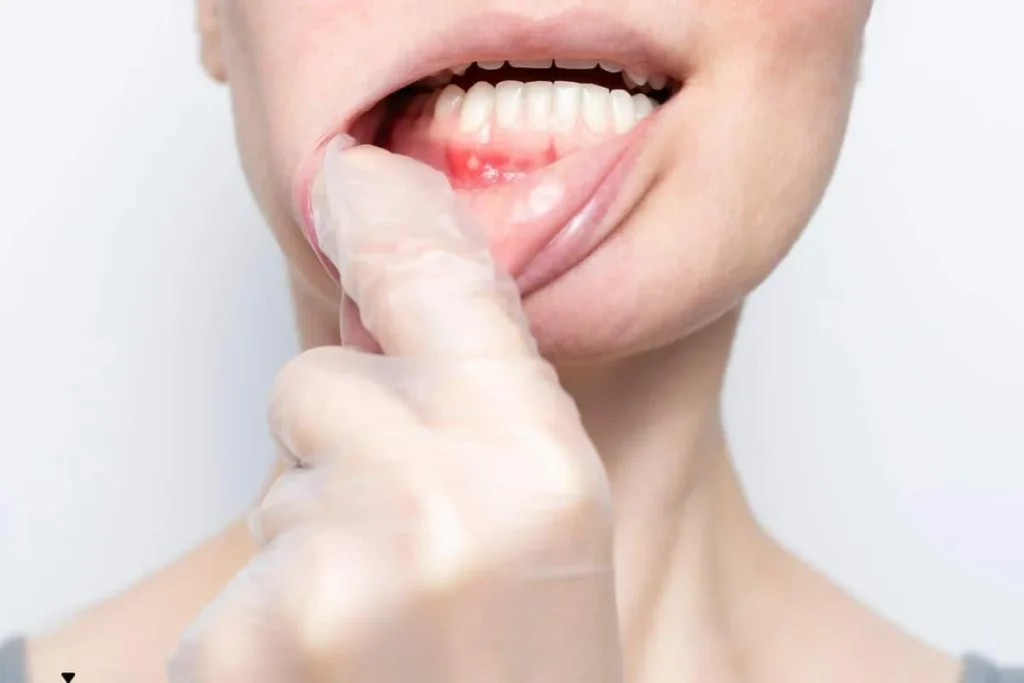
If you’ve ever winced while sipping orange juice or struggled to eat your favorite meal because of a tiny but intensely painful sore inside your mouth, you’re not alone. Canker sore relief often starts with understanding which foods can soothe irritation and which can make symptoms worse. Canker sores those small, shallow ulcers that appear on the soft tissues of your mouth affect nearly 20% of the population at any given time. While they typically heal on their own within one to two weeks, the wrong foods can dramatically worsen the pain and even slow recovery. As your trusted Dentist in Henderson, the team at Joshua M. Ignatowicz DMD & Associates wants to help you navigate your diet so healing comes faster and with far less discomfort.
What Are Canker Sores and Why Does Diet Matter?
Canker sores (medically known as aphthous ulcers) are not contagious and are different from cold sores. They develop on the inside of the lips, cheeks, or at the base of the gums soft, vulnerable tissue that gets constant exposure to everything you eat and drink.
Diet plays a surprisingly significant role in both triggering canker sores and slowing their healing. Certain foods irritate the raw ulcer tissue directly, while others promote inflammation that keeps the sore from closing. Making the right food choices during an outbreak can be the difference between two days of mild discomfort and two weeks of agony.
Foods You Should Avoid When You Have a Canker Sore
1. Acidic Foods and Beverages
Acidic foods are among the worst offenders. The acid chemically irritates the exposed nerve endings in a canker sore, producing an immediate and sharp burning sensation.
Avoid these acidic foods:
- Citrus fruits oranges, lemons, limes, grapefruit
- Tomatoes and tomato-based sauces (pizza sauce, marinara, ketchup)
- Vinegar and vinegar-based dressings
- Carbonated sodas and sparkling water
- Pineapple, strawberries, and kiwi
Even a small amount of citrus juice contacting an open sore can feel excruciating. It’s best to eliminate these completely until the sore heals.
2. Spicy Foods
Spicy dishes contain active compounds like capsaicin in chili peppers that trigger pain receptors and increase inflammation. If you already have an inflamed sore, spicy food is essentially adding fuel to the fire.
Foods to skip:
- Hot sauces and chili
- Spicy curries and peppers
- Salsa and jalapeños
- Heavily seasoned chips or snacks
Once your sore heals, you can gradually reintroduce spice. But during an active outbreak, mild is always the better choice.
3. Crunchy, Hard, and Sharp-Edged Foods
Physically abrasive foods can scrape and reopen healing tissue, making canker sores much worse. That satisfying crunch? It comes at a cost when you have a mouth sore.
Problematic crunchy foods include:
- Potato chips and tortilla chips
- Crackers, pretzels, and hard breadsticks
- Raw carrots, celery, or apples
- Crusty bread and baguettes
- Nuts and seeds (especially harder varieties)
These foods can physically puncture or scrape the delicate edges of the sore, restarting the healing process from scratch.
4. Salty Foods
Salt draws moisture out of soft tissue a process that intensifies pain and promotes inflammation. While a saltwater rinse can sometimes help mild canker sores by keeping the area clean, eating salty foods directly on the sore is a very different story.
High-sodium foods to avoid:
- Pretzels, chips, and salted nuts
- Canned soups with high sodium
- Processed deli meats
- Pickles and brined foods
Check nutrition labels and aim for lower-sodium options while you’re healing.
5. Hard Candies and Sugary Foods
Sugar feeds bacteria in the mouth, and a higher bacterial load around an open sore can lead to secondary irritation or even minor infection. Hard candies also present a physical scraping risk similar to crunchy foods.
Limit or avoid:
- Hard candies and lollipops
- Sticky candy (caramels, taffy)
- Highly sweetened beverages
- Sugary cereals
6. Alcohol and Alcohol-Based Mouthwashes
Alcohol whether in drinks or certain mouthwashes is a desiccant and irritant. It dries out oral tissues and can make canker sores more painful and slower to heal.
Switch to an alcohol-free mouthwash during an outbreak and avoid alcoholic beverages until the sore has fully closed.
What Should You Eat Instead?
Now for the good news there are plenty of foods that are gentle on canker sores and may even support healing.
Canker sore-friendly foods:
- Oatmeal and soft cooked cereals smooth, non-acidic, and easy to eat
- Yogurt probiotic content may support oral health and healing
- Scrambled eggs soft, protein-rich, and non-irritating
- Mashed potatoes and soft vegetables filling and gentle
- Smoothies (avoid citrus) an easy way to get nutrition without chewing
- Mild soups and broths soothing and hydrating
- Bananas and melons low-acid fruits that are easy to eat
Staying well-hydrated with plain water is especially important. Hydration keeps the oral mucosa (the lining of your mouth) moist and supports faster tissue repair.
When Should You See a Dentist in Henderson?
Most canker sores heal on their own in 7–14 days. However, you should contact Joshua M. Ignatowicz DMD & Associates in Henderson, NV 89012 if you notice any of the following:
- A sore that hasn’t healed after two weeks
- Unusually large or extremely painful sores
- Sores that keep coming back frequently
- Fever accompanying the outbreak
- Difficulty eating or drinking due to the pain
Recurring canker sores can sometimes signal underlying nutritional deficiencies (like low B12, folate, or iron), immune issues, or even food sensitivities. A professional evaluation helps identify and address the root cause not just the symptom.
Schedule your appointment today with our caring team at Joshua M. Ignatowicz DMD & Associates and get personalized guidance for your oral health concerns.
Lifestyle Tips to Prevent Canker Sores from Coming Back
Beyond diet, a few habits can significantly reduce the frequency of canker sore outbreaks:
- Use a soft-bristled toothbrush: Helps prevent accidental injury or irritation to the oral tissues.
- Manage stress: Stress is well associated with an increased frequency of canker sores, so relaxation and stress-management techniques may help.
- Get adequate sleep: Sufficient rest supports healthy immune function and may help reduce the occurrence of sores.
- Address nutritional deficiencies: Discuss testing for vitamin B12 and iron levels with your dentist or doctor, especially if canker sores occur frequently.
- Avoid SLS-containing toothpaste: Sodium lauryl sulfate (SLS) is a foaming agent found in some toothpastes and may trigger or worsen canker sores in sensitive individuals.
Questions Our Patients Often Ask About Canker Sores
Can eating a certain food actually cause a canker sore to form?
Yes, in some people. Foods high in acid, certain additives, or even specific allergens can trigger canker sores in susceptible individuals. Common dietary triggers include citrus fruits, tomatoes, strawberries, chocolate, and foods containing gluten (in those with sensitivities). Keeping a food diary can help you identify personal triggers.
Is it safe to use over-the-counter gels or rinses for canker sores?
Generally, yes. Products containing benzocaine provide temporary numbing relief. Some patients also benefit from antimicrobial rinses. However, avoid alcohol-based mouthwashes during an outbreak, and always check with your dentist if you’re unsure what’s appropriate especially for children.
Why do I keep getting canker sores even when I eat carefully?
Recurring canker sores may be linked to factors beyond diet, including stress, hormonal changes, immune system fluctuations, or nutritional deficiencies. Conditions like celiac disease have also been associated with recurrent aphthous ulcers. If sores keep returning, visiting a Dentist in Henderson for a comprehensive oral and health evaluation is strongly recommended.
Do canker sores mean I have herpes or another infection?
No. Canker sores are not caused by the herpes virus and are not contagious. They are benign, non-infectious ulcers that develop inside the mouth. Cold sores (caused by HSV-1) appear outside the mouth, typically on or around the lips. If you’re unsure about what you’re experiencing, a dental professional can provide an accurate diagnosis.
How long does it take for a canker sore to fully heal?
Minor canker sores usually heal within 7 to 14 days without any treatment. Major canker sores which are larger and deeper can take several weeks and may leave minor scarring. With proper dietary management and gentle oral hygiene, most patients see improvement within the first week.
Conclusion: Take Control of Canker Sore Pain with the Right Diet
Canker sores are small, but they can make eating, drinking, and even talking genuinely painful. The good news is that dietary choices put significant control in your hands. By avoiding acidic, spicy, salty, crunchy, and sugary foods and replacing them with soft, mild, nutrient-rich alternatives you can reduce discomfort and help your body heal faster.
If your canker sores are severe, recurring, or simply not getting better, don’t wait it out alone. The experienced team at Joshua M. Ignatowicz DMD & Associates, your go-to Dentist in Henderson, is here to help. We’ll assess your oral health, identify any underlying causes, and create a care plan tailored to you.
Contact us today for your appointment because your comfort and oral health deserve expert attention. Contact us at our Henderson, NV 89012 location and take the first step toward a healthier, pain-free smile.
Recent Blog Post
Why Delaying a Dental Bridge Costs You More Than Money
Delaying a dental bridge in Henderson costs more than money. Learn how tooth loss affects your health, bite, and smile. Book with Dr. Ignatowicz today.
Your Complete Preventive Dental Visit in Henderson: Every Step Explained
Discover your complete preventive dental visit in Henderson, NV. Learn every step — exam, X-rays, cleaning, fluoride & more. Book with Dr. Ignatowicz today!
How Long Does It Take for a Bone Graft to Be Ready for a Dental Implant?
If you’ve been told you need a bone graft before getting dental implants, your first question is probably: “How long is this going to take?” You’re not alone. It’s one of the most common concerns patients bring to our office at Joshua M. Ignatowicz DMD & Associates in Henderson, NV and it’s a completely fair question. Losing a tooth doesn’t