1070 W Horizon Ridge Pkwy #121, Henderson, NV 89012

7 Signs You Might Be a Good Candidate for Dental Implants
August 21, 2026

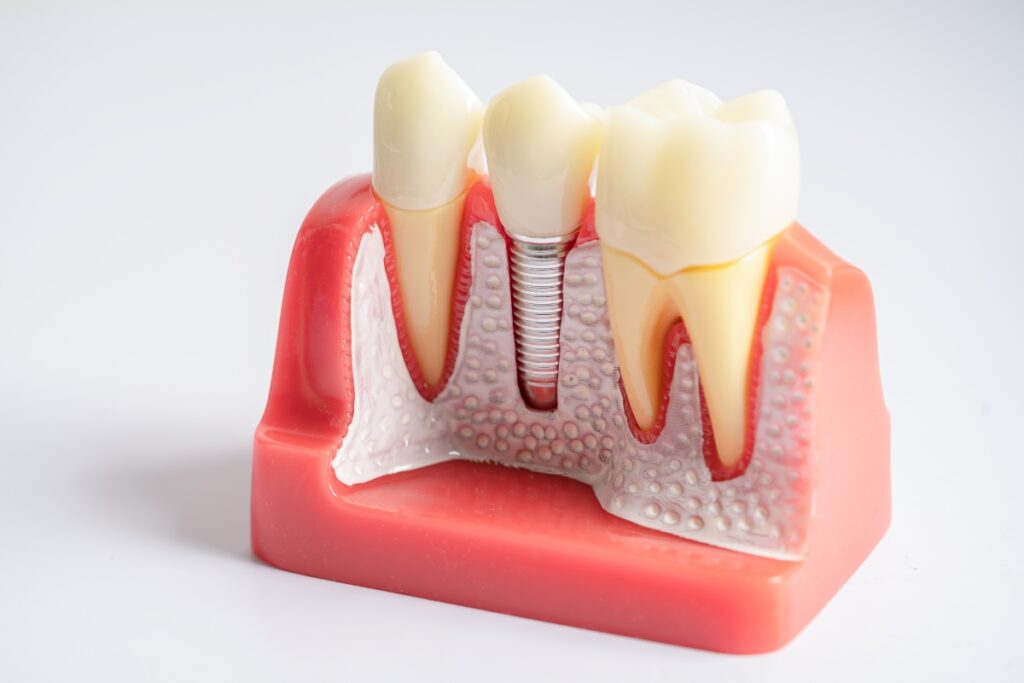
Are you tired of hiding your smile? Whether you’re dealing with a missing tooth, uncomfortable dentures, or a failing dental bridge, you’re not alone and there’s a long-term solution that millions of people are choosing every year: dental implants.
But are you actually a good candidate? At Joshua M. Ignatowicz DMD & Associates in Henderson, NV 89012, we help patients just like you figure out exactly that. This guide walks you through the 7 most telling signs that dental implants could be the right choice for your smile, your health, and your confidence.
1. You Have One or More Missing Teeth
The most obvious sign you may be a candidate is having one or more missing teeth. Whether you lost a tooth due to injury, decay, or gum disease, a gap in your smile isn’t just a cosmetic concern it affects how you chew, speak, and even how your jawbone holds its shape over time.
Dental implants replace the entire tooth structure, from root to crown. Unlike bridges or dentures, they preserve your jawbone and look, feel, and function just like natural teeth.
2. You Have Healthy Gums and No Active Gum Disease
Gum health is essential for successful implant placement. If your gums are healthy and free from active periodontal (gum) disease, you’re already one step closer to being a great candidate.
If you do have gum disease, don’t worry it’s often treatable. Our team can help restore your gum health first, making implants possible down the road.
3. Your Jawbone Is Sufficient to Support an Implant
Dental implants are anchored directly into your jawbone, so having enough bone density is important. When teeth are missing for a long time, the jawbone can start to shrink a process called bone resorption.
If bone loss has occurred, a bone grafting procedure may be recommended first to rebuild the foundation. Advances in implant dentistry make it possible for more patients than ever to qualify, even after some bone loss.
4. You’re in Good Overall Health
Since the implant process involves a minor surgical procedure, being in reasonably good general health matters. Conditions like uncontrolled diabetes, certain autoimmune disorders, or a history of radiation therapy to the jaw may affect healing and implant success.
That said, many patients with chronic conditions successfully receive dental implants. A thorough medical review during your consultation helps us create a safe and effective treatment plan tailored to you.
5. You’re Unhappy With Your Dentures or Bridge
Do your dentures slip when you eat or speak? Does your dental bridge feel uncomfortable or limit the foods you enjoy? These are real frustrations and dental implants can solve them.
Unlike removable dentures, implants are fixed permanently in place. They don’t shift, click, or require adhesives. Many patients who switch from dentures to implants describe it as life-changing.
6. You’re a Non-Smoker (or Willing to Quit)
Smoking significantly impacts implant success rates. It slows healing, reduces blood flow to the gums, and increases the risk of implant failure. If you’re a non-smoker, that’s a strong advantage.
For smokers who are committed to quitting especially around the time of surgery the odds of success improve considerably. Our team will discuss this openly with you during your consultation.
7. You Want a Long-Term Solution, Not a Temporary Fix
Perhaps the most important sign of all: your mindset. Dental implants are designed to last a lifetime with proper care. If you’re tired of temporary fixes, repeat repairs, and ongoing dental costs, implants represent an investment in your long-term oral health.
Studies show that dental implants have a success rate of over 95% and, with good hygiene habits, they can last 20, 30, or even 40+ years. For patients who want a permanent solution, implants are simply the gold standard.
Ready to Find Out If Dental Implants Are Right for You?
If several of these signs resonate with you, there’s a good chance you may be a strong candidate for dental implants. The best way to know for certain is through a personalized consultation with our experienced team.
At Joshua M. Ignatowicz DMD & Associates, located in Henderson, NV 89012, we take the time to understand your dental history, goals, and overall health before recommending any treatment. Our approach is always patient-first honest, thorough, and compassionate.
Contact us today for your appointment and take the first step toward a stronger, more confident smile. We’re here to answer every question and guide you through the process from start to finish.
Questions Our Patients Often Ask About Dental Implants
How long does the dental implant process take?
The full process typically takes 3 to 6 months, though this varies depending on whether preparatory procedures like bone grafting are needed. The implant needs time to fuse with the jawbone a process called osseointegration before the final crown is placed. It sounds long, but most patients find the wait well worth it.
Are dental implants painful?
Most patients are surprised by how manageable the procedure is. Local anesthesia is used during the placement, so you won’t feel pain during surgery. Afterward, mild soreness and swelling are normal for a few days and are easily managed with over-the-counter pain relievers. Many patients return to work the very next day.
How much do dental implants cost, and is it covered by insurance?
The cost varies based on the number of implants and any preparatory treatments needed. While many dental insurance plans don’t cover implants in full, some cover portions of the procedure. We work with patients to explore financing options so cost doesn’t stand between you and a healthy smile. During your consultation, we’ll provide a clear and transparent breakdown.
What happens if I’ve had bone loss am I still a candidate?
Possibly, yes. Bone loss doesn’t automatically disqualify you. A bone grafting procedure can rebuild the lost bone over several months, creating a stable base for implants. Modern implant dentistry has made it possible for many patients who were once told they weren’t candidates to successfully receive implants.
How do I care for dental implants after placement?
Great news: implant care is nearly identical to caring for natural teeth. Brush twice daily, floss regularly, and keep up with routine dental checkups. Avoid habits like grinding your teeth or chewing on hard objects. With proper care, your implants can truly last a lifetime.
Can dental implants fail? What are the risks?
While the success rate for dental implants is very high (over 95%), rare cases of failure can occur usually due to infection, smoking, poor bone integration, or underlying health issues. Choosing an experienced provider and following all aftercare instructions dramatically reduces any risk. Our team will review all potential concerns with you before proceeding.
Recent Blog Post
Why Delaying a Dental Bridge Costs You More Than Money
Delaying a dental bridge in Henderson costs more than money. Learn how tooth loss affects your health, bite, and smile. Book with Dr. Ignatowicz today.
Your Complete Preventive Dental Visit in Henderson: Every Step Explained
Discover your complete preventive dental visit in Henderson, NV. Learn every step — exam, X-rays, cleaning, fluoride & more. Book with Dr. Ignatowicz today!
How Long Does It Take for a Bone Graft to Be Ready for a Dental Implant?
If you’ve been told you need a bone graft before getting dental implants, your first question is probably: “How long is this going to take?” You’re not alone. It’s one of the most common concerns patients bring to our office at Joshua M. Ignatowicz DMD & Associates in Henderson, NV and it’s a completely fair question. Losing a tooth doesn’t