1070 W Horizon Ridge Pkwy #121, Henderson, NV 89012

Why Delaying a Dental Bridge Costs You More Than Money
September 21, 2026

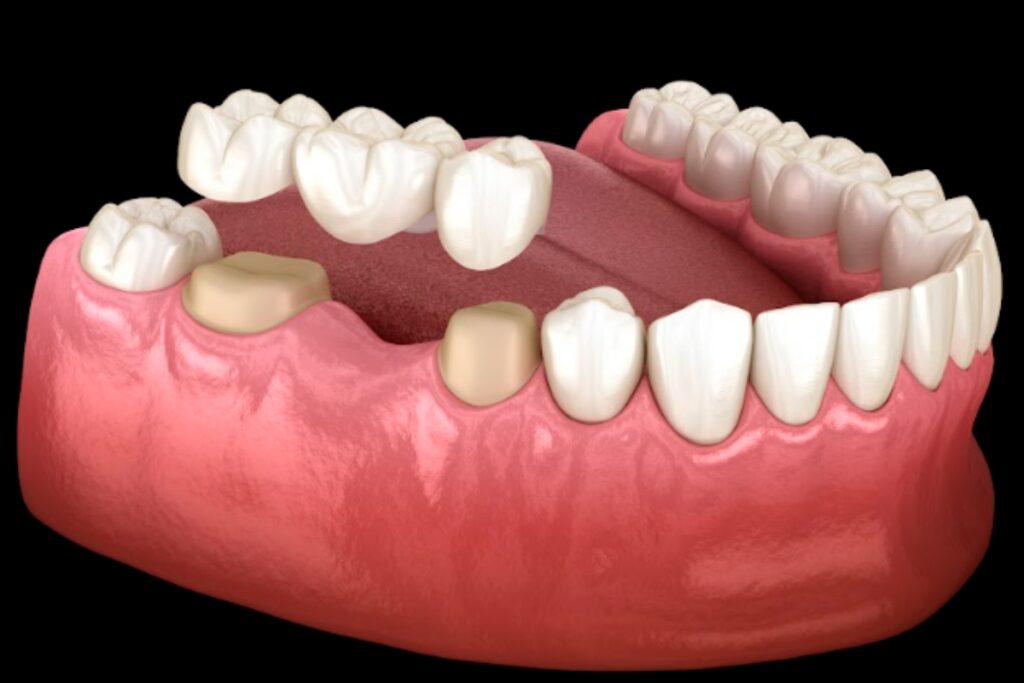
Why delaying a dental bridge costs you more than money in Henderson is a topic many patients overlook. A missing tooth can feel like a minor inconvenience at first. But the longer you wait, the more serious the consequences become. Dr. Joshua M. Ignatowicz and his team see this pattern every day and the good news is, it’s entirely preventable.
Dental bridges are one of the most reliable ways to replace a missing tooth. They restore your bite, protect your remaining teeth, and support your facial structure. Understanding what’s at stake can help you make a confident, informed decision for your long-term oral health.
What Happens to Your Mouth When a Tooth Goes Missing
When you lose a tooth, the surrounding teeth don’t stay in place. They gradually shift toward the empty space. This movement changes your bite alignment and can create uneven pressure across your jaw. Over time, even a single gap can affect how your entire mouth functions.
Bone loss is another serious concern. Your jawbone needs stimulation from tooth roots to maintain its density. Without that stimulation, the bone begins to resorb meaning it shrinks. This can cause your face to look sunken or aged, even if you’re relatively young.
Neighboring teeth are also at greater risk for decay. Food and bacteria accumulate easily in the gap left by a missing tooth. Cleaning becomes more difficult, and cavities can form in hard-to-reach areas. This is often how one missing tooth leads to multiple dental problems.
Why Delaying a Dental Bridge Costs You More Than Money in Henderson
Many Henderson residents put off replacing a missing tooth because they’re not in pain. This is understandable but it can be a costly mistake. The longer you wait, the more the surrounding structure changes. What might have been a straightforward bridge placement becomes a more complex procedure.
Shifting teeth may require orthodontic correction before a bridge can even be placed. Bone loss may eventually require grafting to support any restoration. These additional treatments take more time and more out-of-pocket investment. Acting sooner almost always results in a simpler, more cost-effective path forward.
There are also indirect costs to consider. Difficulty chewing can change your diet in ways that affect your nutrition. Speaking clearly may become harder depending on which tooth is missing. These quality-of-life impacts are real, even if they’re harder to put a dollar figure on.
- Shifting teeth can require orthodontic correction before bridge placement
- Bone loss may necessitate grafting procedures
- Chewing difficulties can impact nutrition and overall wellness
- Speech changes may affect daily communication and confidence
- Increased risk of decay in adjacent teeth over time
How a Dental Bridge Works and Why It’s a Smart Solution
A dental bridge literally bridges the gap left by one or more missing teeth. It consists of a prosthetic tooth anchored by Dental Crowns Henderson on the teeth immediately beside the gap. Those anchor teeth are carefully prepared and shaped to support the bridge securely. The result is a stable, natural-looking restoration that functions like your original tooth.
The process typically takes two appointments. At the first visit, the anchor teeth are prepared and impressions are taken. A temporary bridge protects your teeth while the permanent one is custom-fabricated. At the second visit, the permanent bridge is carefully fitted and bonded into place.
Bridges are durable and designed to last many years with proper care. Daily brushing and flossing including under the bridge keeps the area healthy. Regular checkups at our Henderson practice help monitor the restoration over time. Most patients adapt quickly and feel comfortable chewing and speaking normally within days.
- Restores full chewing function and bite balance
- Prevents neighboring teeth from shifting into the gap
- Supports jawbone health by distributing pressure evenly
- Looks and feels like a natural tooth
- Custom-crafted to match your smile’s color and shape
The Role of Existing Dental Work in Your Bridge Plan
If you have existing Dental Fillings Henderson near the gap, Dr. Ignatowicz will evaluate them carefully. The health of the anchor teeth is critical to a successful bridge outcome. If those teeth have decay or weakened fillings, they’ll need to be addressed before the bridge is placed. Taking a comprehensive look at your mouth first leads to better, longer-lasting results.
Your overall periodontal health also plays an important role. Gum disease can undermine the stability of a dental bridge over time. If there are signs of infection or inflammation, those are treated first. A healthy foundation makes every restoration more predictable and successful.
Dr. Ignatowicz takes a whole-mouth approach to every treatment plan. He doesn’t just look at the gap he looks at everything around it. This thorough evaluation ensures that your bridge fits naturally into a healthy, functional smile. Henderson patients consistently benefit from this careful, comprehensive care model.
When Is the Right Time to Talk to a Dentist?
The right time is as soon as possible after losing a tooth. Every month of delay allows the surrounding structure to change further. Catching the issue early gives you the most options and the simplest treatment path. Even if some time has already passed, it’s never too late to start the conversation.
At Joshua M. Ignatowicz, DMD & Associates, we take the time to explain every option in plain language. We understand that dental decisions can feel overwhelming. Our goal is to make sure you feel informed and confident not pressured. Henderson patients deserve compassionate, expert care they can trust.
If you’re unsure whether a bridge is right for you, a consultation is the best first step. We’ll take digital X-rays, examine your bite, and discuss what we find together. You’ll leave with a clear picture of your options and a personalized plan. That clarity alone can make a significant difference in how you move forward.
Frequently Asked Questions
How long does a dental bridge last?
With proper care, a dental bridge can last 10 to 15 years or longer. Daily brushing, flossing under the bridge, and regular professional cleanings help extend its lifespan. Dr. Ignatowicz will monitor your bridge at each checkup to ensure it remains secure and functional.
Is getting a dental bridge painful?
Most patients are surprised by how comfortable the process is. Local anesthesia is used during the preparation appointment so you won’t feel discomfort. Any mild soreness afterward typically resolves within a few days and can be managed easily.
What if I’ve already waited a long time after losing a tooth?
It’s still worth scheduling an evaluation. Depending on the amount of bone loss and shifting that has occurred, Dr. Ignatowicz will outline your best options. In some cases, additional preparatory steps are needed but restoring your tooth is almost always possible.
Can I eat normally with a dental bridge?
Yes, most patients return to normal eating within a short adjustment period. Bridges are designed to withstand the forces of chewing everyday foods. Extremely hard or sticky foods should be avoided to protect the restoration long-term.
How do I know if I need a bridge or another type of restoration?
The best way to determine this is through a thorough evaluation with Dr. Ignatowicz. Factors like bone density, the number of missing teeth, and the health of adjacent teeth all influence the recommendation. Your dentist will walk you through every option so you can choose with confidence.
Taking action sooner rather than later protects your smile, your bite, and your overall well-being. Our Henderson team is here to guide you every step of the way. Contact us today foe schedule your appointment with our team.
Recent Blog Post
Why Delaying a Dental Bridge Costs You More Than Money
Delaying a dental bridge in Henderson costs more than money. Learn how tooth loss affects your health, bite, and smile. Book with Dr. Ignatowicz today.
Your Complete Preventive Dental Visit in Henderson: Every Step Explained
Discover your complete preventive dental visit in Henderson, NV. Learn every step — exam, X-rays, cleaning, fluoride & more. Book with Dr. Ignatowicz today!
How Long Does It Take for a Bone Graft to Be Ready for a Dental Implant?
If you’ve been told you need a bone graft before getting dental implants, your first question is probably: “How long is this going to take?” You’re not alone. It’s one of the most common concerns patients bring to our office at Joshua M. Ignatowicz DMD & Associates in Henderson, NV and it’s a completely fair question. Losing a tooth doesn’t