1070 W Horizon Ridge Pkwy #121, Henderson, NV 89012

How Long Does It Take for a Bone Graft to Be Ready for a Dental Implant?
September 9, 2026

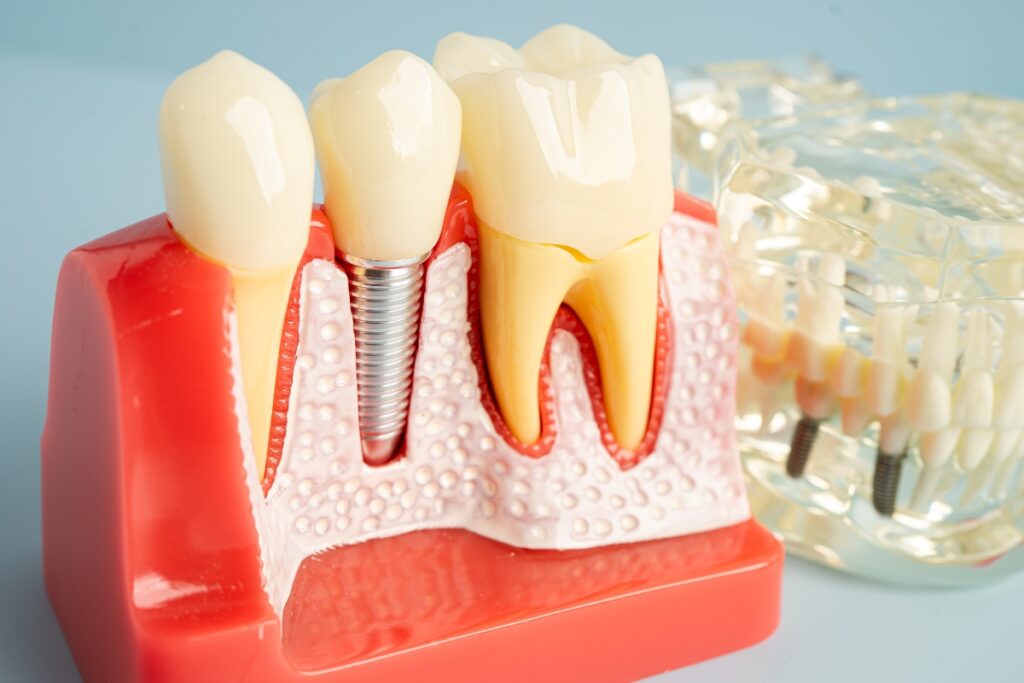
If you’ve been told you need a bone graft before getting dental implants, your first question is probably: “How long is this going to take?” You’re not alone. It’s one of the most common concerns patients bring to our office at Joshua M. Ignatowicz DMD & Associates in Henderson, NV and it’s a completely fair question.
Losing a tooth doesn’t just affect your smile it can lead to jawbone loss over time. Without enough healthy bone, dental implants simply don’t have a stable foundation to anchor into. That’s where bone grafting comes in: a procedure that rebuilds the bone so your implant can integrate properly and last a lifetime.
In this guide, we’ll walk you through everything you need to know from what a bone graft actually is to how long the healing process takes and what factors can affect your timeline.
What Is a Dental Bone Graft, and Why Do You Need One?
A bone graft is a surgical procedure that adds bone (or bone-like material) to a weak or insufficient area of your jaw. Think of it as laying the groundwork before placing a dental implant without a solid base, the implant has nothing to fuse with.
Bone loss can happen for several reasons:
- Tooth extraction (especially if the socket isn’t preserved)
- Gum disease (periodontitis) that erodes the bone
- Long-term denture use that applies pressure on the ridge
- Trauma or injury to the jaw
- Congenital conditions affecting jaw development
Your dentist or oral surgeon will evaluate your bone density through X-rays or a 3D cone beam CT scan to determine whether a graft is necessary before placing dental implants.
Types of Bone Grafts Used Before Dental Implants
Not all bone grafts are the same. The type used depends on the extent of bone loss, your overall health, and the specific area being treated. Here are the most common types:
Autograft (Your Own Bone)
Bone is harvested from another part of your own body usually the chin, hip, or shin. This is considered the gold standard because it carries living bone cells, but it does require two surgical sites.
Allograft (Donor Bone)
Processed bone from a human donor (cadaver). It’s been sterilized and treated, making it safe and widely used. No second surgical site needed.
Xenograft (Animal-Derived Bone)
Typically sourced from bovine (cow) bone. It acts as a scaffold for your natural bone to grow into. A common and effective option for many patients.
Alloplast (Synthetic Bone)
Man-made bone substitute materials (like calcium phosphate or hydroxyapatite) that stimulate bone growth. A good option for patients who prefer to avoid human or animal-derived materials.
So, How Long Does a Bone Graft Take to Heal Before Dental Implants?
This is the big question and the honest answer is: it depends. Healing times vary based on several factors, but here’s a general timeline to give you a realistic picture:
General Bone Graft Healing Timeline
- Weeks 1–2: Initial healing. Swelling and discomfort subside. The graft material begins to integrate with surrounding tissue.
- Months 1–3: New bone formation begins. Blood vessels grow into the graft, and bone cells start to colonize the area.
- Months 3–6: Significant bone growth and consolidation. Most patients are evaluated for implant readiness around this stage.
- Months 6–9+: Full maturation. Larger or more complex grafts may require the full 9 months before implants can be placed safely.
For most patients, the sweet spot is between 3 and 6 months. However, your oral surgeon will confirm readiness through imaging before moving forward with dental implant placement.
Factors That Affect How Long Your Bone Graft Takes to Heal
Every patient heals at their own pace. Several factors can speed up or slow down the bone regeneration process:
Age and Overall Health
Younger patients typically heal faster because their bone metabolism is more active. Older adults may need slightly more time, though age alone rarely disqualifies someone from getting dental implants.
Size and Location of the Graft
A small socket preservation graft after a single extraction heals much faster than a major sinus lift or ridge augmentation for multiple missing teeth.
Type of Graft Material
Autografts (your own bone) often integrate the fastest. Synthetic and animal-derived grafts are safe and effective but may take slightly longer to fully incorporate.
Lifestyle and Habits
Smoking is one of the biggest barriers to healing. It restricts blood flow to the graft site and significantly increases the risk of failure. A healthy diet rich in calcium and Vitamin D, along with staying hydrated and following post-op instructions, can meaningfully improve your recovery.
Underlying Medical Conditions
Conditions like uncontrolled diabetes, autoimmune disorders, or osteoporosis can slow healing. Certain medications particularly bisphosphonates used for bone density may also need to be discussed with your provider before proceeding.
What Happens After the Bone Graft Heals?
Once your bone graft has fully matured and your provider confirms the site is ready, you’ll move on to the dental implant placement phase. This involves surgically inserting a titanium post into the jaw which then undergoes its own healing process called osseointegration (3–6 months), where the implant fuses with the surrounding bone.
After osseointegration is complete, an abutment (connector piece) is attached, followed by the final crown. The result is a restoration that looks, feels, and functions like a natural tooth.
While the timeline may feel long, dental implants are the most durable tooth replacement option available with a success rate exceeding 95% over 10 years when properly placed and maintained.
Tips to Support Healthy Bone Graft Recovery
Here’s how you can give your graft the best possible chance of success:
- Follow all post-operative instructions from your dental team without exception
- Take prescribed antibiotics and anti-inflammatories as directed
- Avoid smoking or tobacco products throughout the healing period
- Eat soft foods for the first 2–4 weeks; avoid hard, crunchy, or chewy items
- Keep your mouth clean, but be gentle around the surgical site
- Attend every scheduled follow-up appointment so your provider can monitor progress
- Stay hydrated and maintain a diet that supports bone health (calcium, Vitamin D, lean protein)
Questions Our Patients Often Ask About Bone Grafts and Dental Implants
Is a bone graft always required before a dental implant?
Not always. Patients with sufficient bone volume and density may be eligible to receive dental implants directly. Your provider will assess your bone using imaging to determine whether grafting is necessary.
Is a bone graft painful?
The procedure itself is performed under local anesthesia, so you won’t feel pain during surgery. Afterward, mild to moderate soreness is normal for the first few days and is manageable with prescribed or over-the-counter pain relievers.
Can the bone graft fail?
Bone graft failure is uncommon but can occur due to infection, smoking, poor blood supply, or systemic health conditions. Signs of a problem include persistent pain, swelling, or the graft material becoming loose. If caught early, your provider can address it effectively.
Can I get a temporary tooth while waiting for the graft to heal?
Yes, in most cases. Your dentist can fit you with a temporary denture or flipper tooth so you don’t have a visible gap during the healing phase. Ask your provider at Joshua M. Ignatowicz DMD & Associates about which temporary option is appropriate for your situation.
How do I know when the bone graft is ready for a dental implant?
Your dental team will use follow-up X-rays or a cone beam CT scan to assess bone density and volume at the graft site. Readiness is confirmed by the provider not simply by the passage of time. Typically, this evaluation happens around 3–6 months post-surgery.
Does insurance cover bone grafting?
Coverage varies widely by plan. Some dental insurance policies cover part of the bone graft cost, especially when it’s deemed medically necessary. Our team is happy to help you review your benefits and explore financing options if needed.
The Bottom Line: Patience Pays Off
We understand that waiting months before getting dental implants can feel frustrating especially when you’re dealing with missing teeth every day. But a properly healed bone graft is what makes dental implants such a successful and long-lasting solution. Rushing the process risks implant failure, which ultimately costs more time and money.
At Joshua M. Ignatowicz DMD & Associates in Henderson, NV, our team is committed to guiding you through every step of the process from your initial bone assessment to final crown placement. We take the time to create a personalized treatment plan that fits your timeline, your health, and your goals.
Ready to take the next step toward your new smile? Contact us for your consultation today with Joshua M. Ignatowicz DMD & Associates in Henderson, NV. Call our office or book online our team is here to answer every question and create a customized plan designed just for you.
Recent Blog Post
Why Delaying a Dental Bridge Costs You More Than Money
Delaying a dental bridge in Henderson costs more than money. Learn how tooth loss affects your health, bite, and smile. Book with Dr. Ignatowicz today.
Your Complete Preventive Dental Visit in Henderson: Every Step Explained
Discover your complete preventive dental visit in Henderson, NV. Learn every step — exam, X-rays, cleaning, fluoride & more. Book with Dr. Ignatowicz today!
How Long Does It Take for a Bone Graft to Be Ready for a Dental Implant?
If you’ve been told you need a bone graft before getting dental implants, your first question is probably: “How long is this going to take?” You’re not alone. It’s one of the most common concerns patients bring to our office at Joshua M. Ignatowicz DMD & Associates in Henderson, NV and it’s a completely fair question. Losing a tooth doesn’t