1070 W Horizon Ridge Pkwy #121, Henderson, NV 89012

Sleep Apnea Left Untreated: What Your Body Pays the Price
September 7, 2026

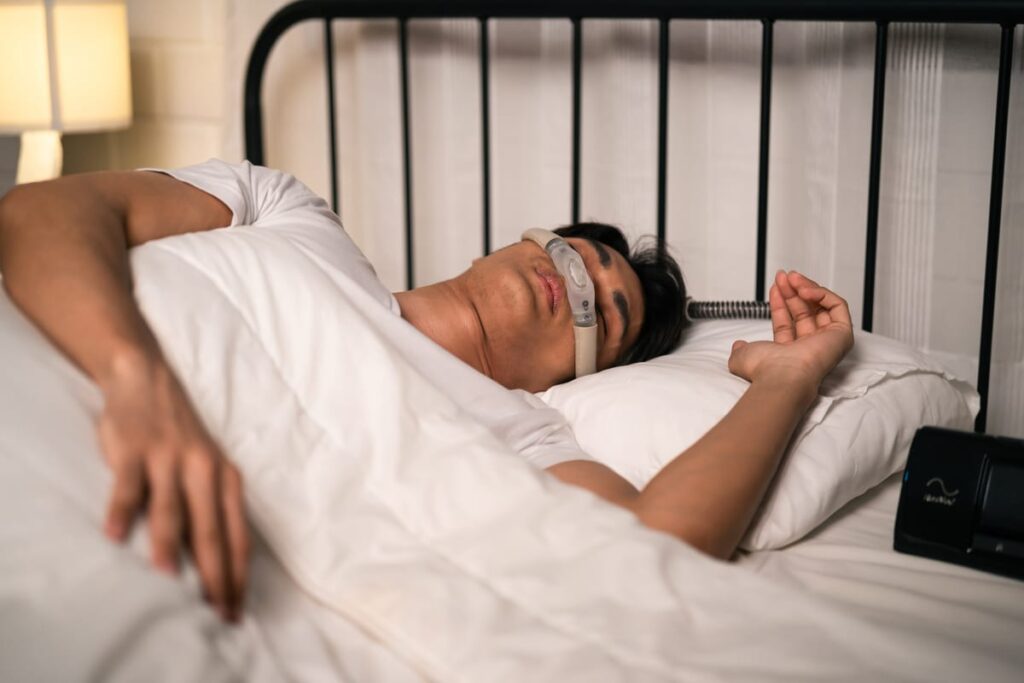
Sleep apnea left untreated is one of the most underestimated health risks facing Henderson residents today. Many people assume poor sleep is just a nuisance. In reality, the consequences reach far beyond feeling tired in the morning. At Joshua M. Ignatowicz, DMD & Associates, we want every patient to understand what untreated sleep apnea actually does to the body and why acting sooner makes all the difference.
What Happens When Sleep Apnea Goes Unaddressed in Henderson
Sleep apnea causes your breathing to stop repeatedly during sleep. Each pause can last from a few seconds to over a minute. Your brain responds by jolting you partially awake to resume breathing. This cycle may repeat hundreds of times each night without you ever realizing it.
The result is fragmented, low-quality sleep night after night. Your body never gets the deep restoration it needs. Over time, this creates a compounding effect on your physical and mental health. The body simply cannot function at its best when sleep is constantly disrupted.
Many Henderson patients don’t discover they have sleep apnea until a partner notices loud snoring or gasping. Others dismiss their fatigue as stress or a busy schedule. This delay in recognition is part of what makes sleep apnea so dangerous. The longer it goes untreated, the greater the toll it takes.
The Body Pays the Price: Serious Health Risks of Untreated Sleep Apnea
Sleep apnea left untreated puts enormous strain on your cardiovascular system. Each time breathing stops, oxygen levels in your blood drop. Your heart works harder to compensate. Over months and years, this dramatically raises the risk of high blood pressure, heart disease, and stroke.
Here is a closer look at the systemic effects untreated sleep apnea can cause:
- High blood pressure: Oxygen drops trigger stress hormones that raise blood pressure overnight.
- Heart arrhythmias: Irregular heartbeats are more common in people with untreated sleep apnea.
- Type 2 diabetes: Poor sleep disrupts insulin regulation and blood sugar control.
- Weight gain: Fatigue reduces motivation to exercise and disrupts hunger hormones.
- Depression and anxiety: Chronic sleep deprivation directly affects mood and mental health.
- Memory and concentration issues: The brain cannot consolidate memories without quality sleep.
These are not minor inconveniences. They are serious, life-altering conditions. Each one carries its own long-term consequences. Treating sleep apnea is not just about sleeping better it is about protecting your overall health.
How Sleep Apnea Affects Your Oral Health Specifically
Most people don’t connect sleep apnea to their dental health. However, the link is very real. Patients with sleep apnea often breathe through their mouth during the night. This dries out oral tissues and reduces saliva production significantly.
Dry mouth creates an environment where bacteria thrive. This increases the risk of tooth decay and gum disease. Over time, untreated gum disease can lead to more serious problems requiring Dental Fillings Henderson or even more extensive restorative work like Dental Crowns Henderson to repair damaged teeth.
Sleep apnea also frequently co-occurs with teeth grinding, known as bruxism. The jaw clenches during the night as airway pressure changes. This wears down enamel and can fracture teeth over time. Your dentist is often the first to spot these signs during a routine exam.
Why Henderson Patients Wait and Why That Waiting Costs More
Patients delay treatment for many reasons. Some feel the symptoms are manageable. Others assume nothing serious is happening because they are still functioning day to day. A few simply do not know that dental offices can help with sleep apnea at all.
Here is what that delay actually costs your body over time:
- Months 1–6: Fatigue accumulates, focus declines, and mood becomes harder to regulate.
- 6–12 months: Blood pressure may begin to rise, and metabolic changes become more pronounced.
- 1–3 years: Cardiovascular strain increases significantly, and oral health deterioration becomes visible.
- 3+ years: Risk of serious cardiac events, cognitive decline, and advanced dental damage all escalate.
The longer the wait, the more intervention it takes to restore health. Early treatment is almost always simpler and less intensive. Henderson patients who act early often experience dramatic quality-of-life improvements within weeks. Your body responds quickly when it finally gets the rest it has been missing.
How Dr. Ignatowicz Helps Henderson Patients Address Sleep Apnea
Dr. Joshua M. Ignatowicz and his team take a patient-centered approach to sleep apnea treatment. We begin by evaluating your symptoms, dental health, and jaw structure. This helps us determine the most appropriate path forward for your individual situation. We never offer a one-size-fits-all solution.
For many patients, a custom oral appliance offers meaningful relief. These devices gently reposition the jaw during sleep. This keeps the airway open and reduces or eliminates breathing interruptions. Many Henderson patients prefer this option because it is comfortable, portable, and non-invasive.
We also look for related dental signs during every visit. Worn enamel, jaw tenderness, and dry mouth are all indicators we take seriously. Identifying these patterns early allows us to intervene before more serious damage develops. Our goal is to protect both your sleep and your long-term oral health.
Frequently Asked Questions
Can a dentist really treat sleep apnea?
Yes, dentists trained in sleep medicine can provide oral appliance therapy for mild to moderate sleep apnea. Dr. Ignatowicz evaluates each patient individually to determine whether an oral device is an appropriate option. These appliances are custom-fitted and designed to keep the airway open during sleep.
How do I know if I have sleep apnea?
Common signs include loud snoring, waking up gasping, morning headaches, excessive daytime fatigue, and difficulty concentrating. Your bed partner may notice that you stop breathing during the night. A formal diagnosis typically involves a sleep study, which your physician or dentist can help coordinate.
Is untreated sleep apnea really that serious?
Yes. Untreated sleep apnea is associated with elevated risks of heart disease, stroke, high blood pressure, type 2 diabetes, and depression. It also contributes to accelerated dental damage through dry mouth and teeth grinding. Treating it early significantly reduces these risks.
What does oral appliance therapy feel like?
Most patients adjust to an oral appliance within a few nights. The device fits similarly to a mouthguard and holds your jaw in a forward position to keep the airway clear. It is much less obtrusive than a CPAP machine for many patients and can be taken anywhere you travel.
When should I see a dentist about sleep apnea symptoms?
As soon as possible. If you have been snoring loudly, waking unrefreshed, or experiencing the symptoms listed above, do not wait. Early evaluation allows for earlier treatment and reduces the cumulative damage that untreated sleep apnea causes to your body and your oral health.
Sleep apnea left untreated extracts a real and serious cost from your body over time. Henderson patients don’t have to keep paying that price. Dr. Ignatowicz and the team at Joshua M. Ignatowicz, DMD & Associates are here to help you breathe better, sleep better, and live better. Contact us today for your appointment with our team.
Recent Blog Post
Why Delaying a Dental Bridge Costs You More Than Money
Delaying a dental bridge in Henderson costs more than money. Learn how tooth loss affects your health, bite, and smile. Book with Dr. Ignatowicz today.
Your Complete Preventive Dental Visit in Henderson: Every Step Explained
Discover your complete preventive dental visit in Henderson, NV. Learn every step — exam, X-rays, cleaning, fluoride & more. Book with Dr. Ignatowicz today!
How Long Does It Take for a Bone Graft to Be Ready for a Dental Implant?
If you’ve been told you need a bone graft before getting dental implants, your first question is probably: “How long is this going to take?” You’re not alone. It’s one of the most common concerns patients bring to our office at Joshua M. Ignatowicz DMD & Associates in Henderson, NV and it’s a completely fair question. Losing a tooth doesn’t