1070 W Horizon Ridge Pkwy #121, Henderson, NV 89012

How to Remove Stubborn Stains from Dentures?
October 1, 2024

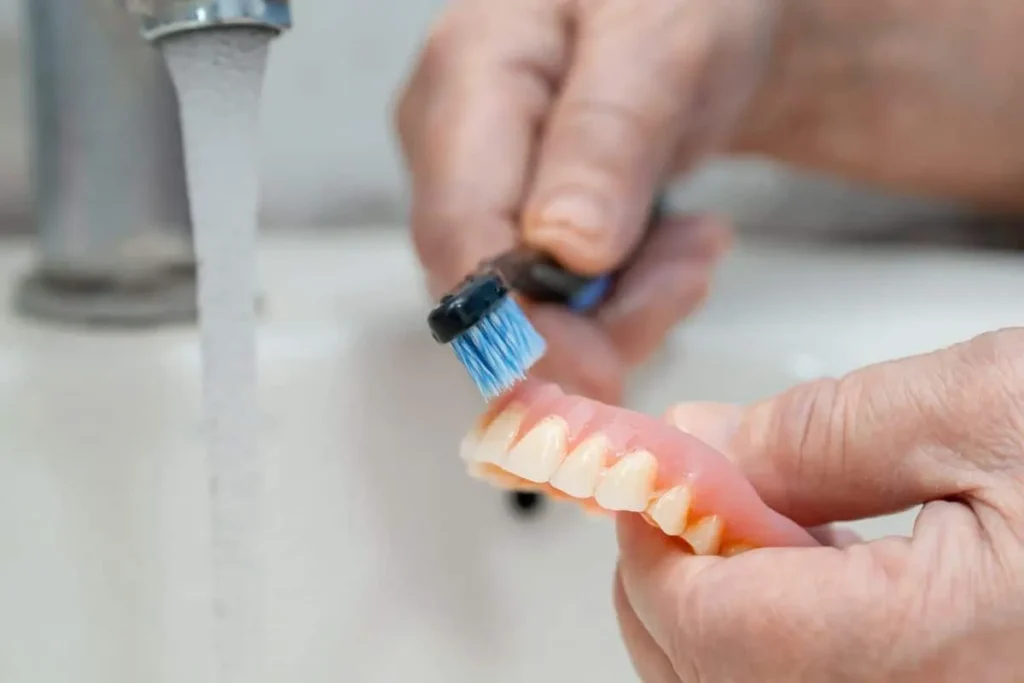
If you wear dentures, you already know how much they transform your daily life restoring your smile, your confidence, and your ability to eat comfortably. But over time, even the best-maintained stains from dentures can develop unsightly stains that no amount of regular brushing seems to fix. If you’ve been struggling with yellowing or discoloration and wondering what actually works, you’re not alone. As a trusted Dentist in Henderson, Joshua M. Ignatowicz DMD & Associates has helped countless patients restore the natural look of their dentures and keep them that way.
This guide walks you through the causes of denture staining, safe and effective removal methods, and when it’s time to seek professional help.
Why Do Dentures Stain So Easily?
Dentures are made from acrylic resin or porcelain, both of which are more porous than natural tooth enamel. This means they can absorb pigments from food, beverages, and tobacco over time often faster than you’d expect.
Common culprits behind stubborn stains include:
- Coffee, tea, and red wine
- Dark-colored sauces (tomato, soy, curry)
- Tobacco and nicotine products
- Certain medications (especially liquid iron supplements)
- Inadequate cleaning routines that allow plaque to calcify into tartar
Understanding the source of the staining is the first step toward choosing the right removal method.
Safe At-Home Methods to Remove Denture Stains
1. Soak in Denture Cleansing Solution
Over-the-counter denture cleansing tablets (such as Polident or Efferdent) are specifically formulated to break down surface stains and kill bacteria. Drop a tablet into a glass of warm not hot water and soak your dentures for the recommended time, usually 15–30 minutes or overnight.
Important: Always follow package instructions. Soaking too long or using water that’s too hot can warp the denture material.
2. White Vinegar Soak
White vinegar is a mild acid that can help dissolve mineral deposits and light surface stains. Mix equal parts white vinegar and water, and soak your dentures for 30 minutes.
Rinse thoroughly before reinserting. Avoid this method if your dentures have metal components, as vinegar can corrode certain metal attachments.
3. Baking Soda Paste
Baking soda is a gentle, non-abrasive cleaner that neutralizes odors and helps lift mild stains. Mix a small amount with water to form a paste, apply it with a soft-bristled denture brush, and gently scrub in circular motions.
Never use regular toothpaste on dentures most contain abrasives that scratch the surface, creating microscopic grooves where bacteria and stains accumulate more easily.
4. Hydrogen Peroxide Soak
A diluted hydrogen peroxide solution (equal parts 3% hydrogen peroxide and water) can help whiten and disinfect dentures. Soak for no more than 30 minutes, then rinse well.
This is most effective for surface yellowing and should not be used daily.
5. Ultrasonic Denture Cleaners
These small countertop devices use high-frequency sound waves to dislodge debris and stains from hard-to-reach areas. They’re a worthwhile investment for patients who want a deeper clean at home without harsh chemicals.
What NOT to Do When Cleaning Dentures
Even well-intentioned cleaning habits can cause damage. Avoid these common mistakes:
- Do not use bleach unless directed by your dentist full-strength bleach weakens the acrylic and lightens the pink base, making it look unnatural
- Do not scrub with stiff brushes they scratch the surface
- Do not use abrasive cleaners like baking soda in excess or whitening toothpastes
- Do not soak metal-clasp dentures in vinegar or bleach solutions
- Do not use hot water it can warp the shape of your dentures permanently
When At-Home Cleaning Isn’t Enough
Sometimes, stains are too deeply set for home remedies to address. Tartar buildup (calculus), which forms when plaque hardens over time, cannot be removed by soaking or brushing alone it requires professional scaling tools.
If your dentures have:
- Brown or black deposits that won’t lift
- A rough, chalky texture
- Persistent bad odor despite regular cleaning
- Visible cracks or pitting that trap stains
…it’s time to visit a professional. As an experienced Dentist in Henderson, Dr. Joshua M. Ignatowicz and his team offer professional denture cleaning and polishing that safely removes stubborn buildup without damaging your appliance.
Professional Denture Cleaning: What to Expect
At Joshua M. Ignatowicz DMD & Associates, professional denture cleaning is a quick, painless, and highly effective process. Here’s what typically happens during your visit:
- Examination: The dentist checks the fit, condition, and integrity of your dentures
- Ultrasonic scaling: A specialized device loosens and removes calcified deposits
- Polishing: The denture surface is buffed to a smooth, stain-resistant finish
- Fit assessment: If needed, minor adjustments are made to ensure optimal comfort
Many patients are surprised by how dramatically different their dentures look and feel after a professional cleaning.
Tips to Prevent Future Staining
Consistent habits go a long way in keeping dentures bright between professional visits:
- Rinse after every meal this prevents pigmented food particles from settling
- Brush your dentures daily with a soft denture brush
- Soak overnight in a cleansing solution every night
- Limit coffee, tea, and red wine or rinse immediately after consuming them
- Avoid tobacco nicotine causes deep, stubborn yellowing
- Schedule regular dental visits every 6–12 months for professional maintenance
Questions Patients Often Ask About Denture Stains
Can I use whitening strips or whitening toothpaste on my dentures?
No whitening products designed for natural teeth do not work on denture acrylic. In fact, they can damage the material and cause uneven discoloration. For safe whitening options, consult your dentist.
How often should I professionally clean my dentures?
Most dentists recommend a professional cleaning at least once a year. If you’re a heavy coffee or tea drinker, or a smoker, every 6 months is a better target.
My dentures smell bad even after cleaning. Is that a stain problem?
Not necessarily. Persistent odor is often caused by bacteria or fungal growth (such as Candida) rather than surface staining alone. A professional cleaning combined with an antifungal rinse may be recommended. Bring this up during your next appointment.
Will professional cleaning change the fit of my dentures?
No. Professional cleaning removes deposits from the surface but does not alter the shape or structure of the appliance. If anything, removing thick tartar buildup can actually improve the way your dentures sit against your gum tissue.
Are stained dentures a sign that I need new ones?
Not always. Many stained dentures can be restored to near-original condition with professional cleaning and polishing. However, if your dentures are more than 5–7 years old, cracked, or no longer fitting properly, your dentist may recommend a replacement or reline.
Restore Your Smile with Expert Care in Henderson
Stubborn denture stains don’t have to be a permanent problem. With the right combination of daily care, effective home-cleaning techniques, and regular professional maintenance, your dentures can stay bright, fresh, and comfortable for years to come.
At Joshua M. Ignatowicz DMD & Associates, serving the Henderson, NV 89012 community, our team is dedicated to helping denture wearers look and feel their best. Whether you need a routine cleaning, a professional polish, or guidance on the best care routine for your specific denture type, we’re here to help.
Contact us today for your appointment and let us help you bring back the confidence in your smile. We welcome new patients and are happy to answer any questions about denture care during your visit.
Recent Blog Post
Why Delaying a Dental Bridge Costs You More Than Money
Delaying a dental bridge in Henderson costs more than money. Learn how tooth loss affects your health, bite, and smile. Book with Dr. Ignatowicz today.
Your Complete Preventive Dental Visit in Henderson: Every Step Explained
Discover your complete preventive dental visit in Henderson, NV. Learn every step — exam, X-rays, cleaning, fluoride & more. Book with Dr. Ignatowicz today!
How Long Does It Take for a Bone Graft to Be Ready for a Dental Implant?
If you’ve been told you need a bone graft before getting dental implants, your first question is probably: “How long is this going to take?” You’re not alone. It’s one of the most common concerns patients bring to our office at Joshua M. Ignatowicz DMD & Associates in Henderson, NV and it’s a completely fair question. Losing a tooth doesn’t